I didn’t start with email.
I started by figuring things out the hard way.
I looked like I had it together.
I DIDN'T.
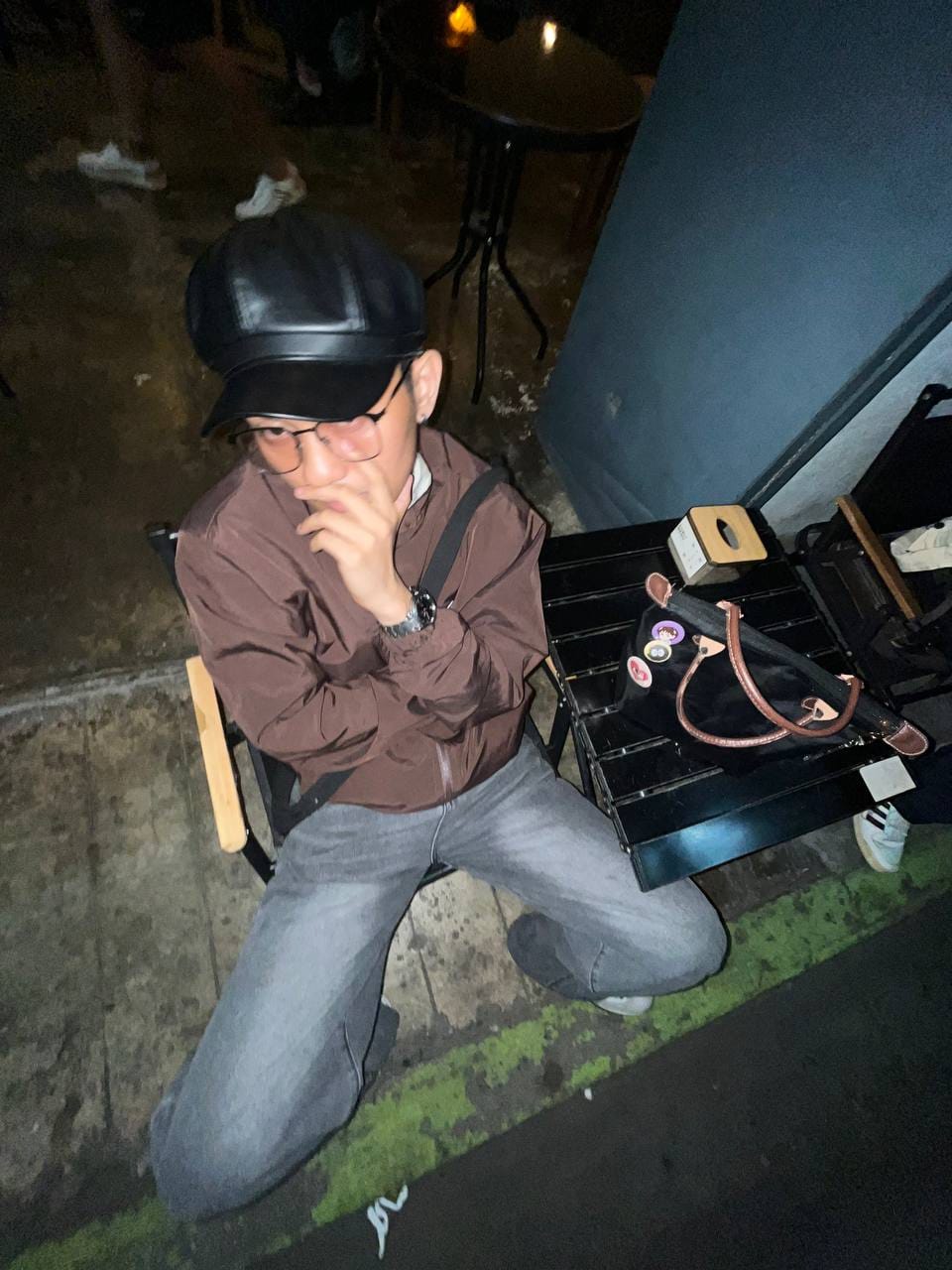
I WAS THE KID WITH THE "PERFECT" RECORD— EXCEPT FOR ONE THING.
From kindergarten to Senior High, I was the achiever. High grades, academic awards, the kid teachers pointed to. My parents were proud. Everyone assumed I had it figured out.
I didn't.
I didn't have a dream job. I never told anyone— especially not my parents.
How do you tell the people who've watched you grind and excel your whole life that underneath it, you don't actually know what you want?
So I didn't. I kept it to myself and picked the "safe" answer instead.
I CHOSE ENGINEERING BECAUSE I LOVED SOLVING PROBLEMS.
At least, that's what I told myself. And it was true— just not in the way I thought.
I got a scholarship for civil engineering. On paper, that should've felt like a win. Problems were exactly what engineering promised— equations, structures, real things to figure out. I liked that part.
What I didn't account for was that liking problems and liking these specific problems weren't the same thing. I felt empty most days, but I kept going anyway— because what else was I supposed to do?
I procrastinated constantly. Not because I was lazy, but because I couldn't find a real reason to care beyond "this is what smart kids do" and "this pays the bills eventually."
Then I found out (late) that civil engineers in the Philippines often earn less than call center agents (at least for starters— not for all— but still, there's little opportunity to financially scale).
I could've gone abroad to make it work— actually, plenty of engineers do. But I didn't want to leave my country. I just wanted work that mattered to me, here.
THEN I FAILED THREE COURSES IN MY THIRD YEAR.
That was the wake-up call I couldn't procrastinate my way out of.
The problem wasn't that I'd stopped wanting to solve problems— it was that math and structural loads had stopped being the problems I wanted to spend my life solving.
In short, continuing my engineering career doesn't make sense for me.
Around that time, two questions found me and wouldn't let go...
"Do you actually want what you're doing— or do you just want people to see you doing it?"
"If you watched a movie of your entire life on your deathbed, would you be entertained?"
I didn't have good answers. That scared me more than the failed courses did.
MY DESIGN PROJECT BACK THEN...
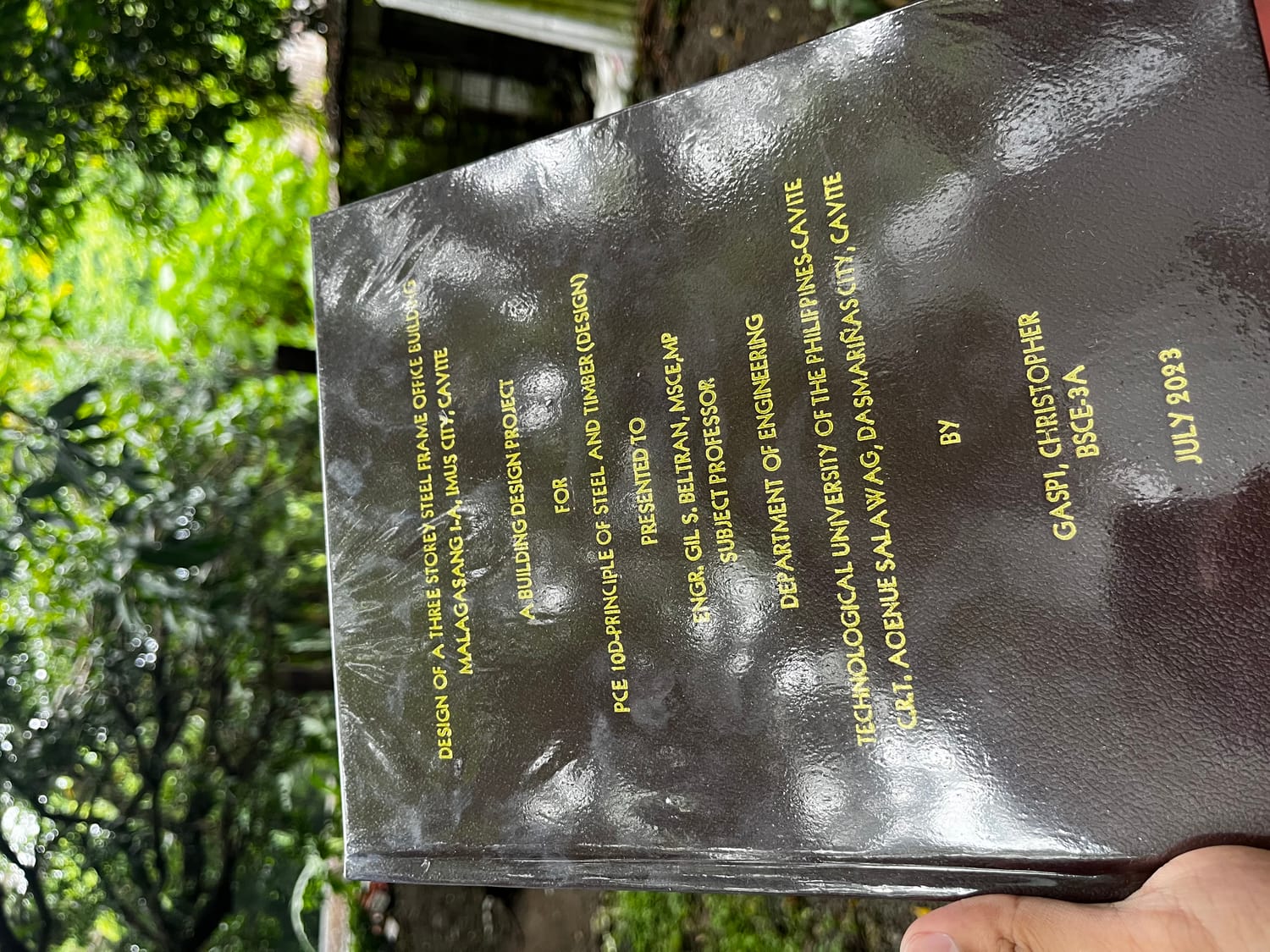
MY FIRST COMMISSION...
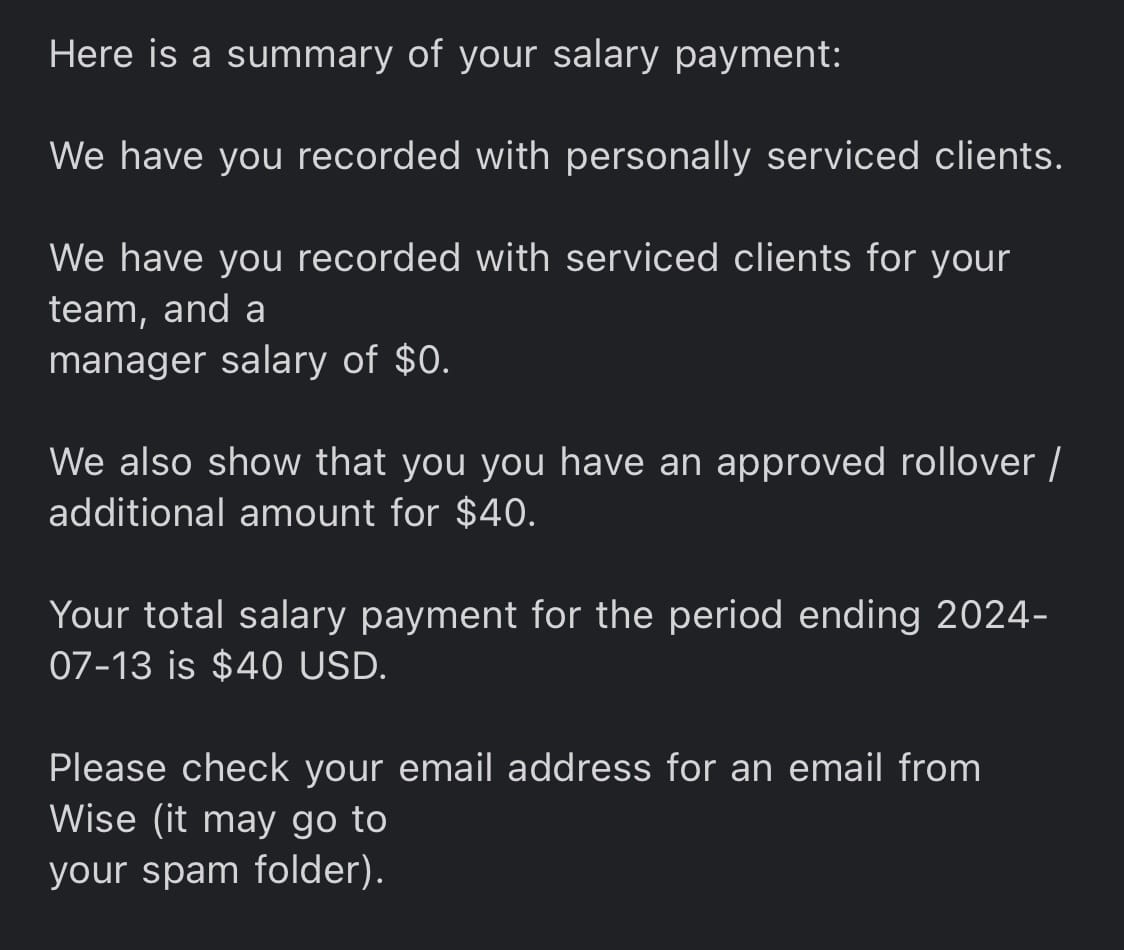
THAT'S WHEN I FOUND OUTSOURCING.
Before I even knew the word "freelancing," I learned about outsourcing— delegating work to someone else, becoming the middleman on a project— and something about it clicked.
This was the business and marketing world I didn't know I'd been looking for... a new category of problems to solve.
I didn't start as an email copywriter.
I tried a handful of skills first— video editing, Amazon VA work, account management. Some paid off a little. Most didn't. I spent months just figuring out what actually made sense for me.
After that, I moved into social media marketing and lead generation— a commission-based contract, $20 for every closed lead (10% of the service I was selling).
That's where I made my first real income. But the work felt repetitive, and I couldn't point to anything and say "that mattered." I needed to be the one who could actually move the needle for a business— not just be a cog in a system.
That sent me looking harder. I started following a copywriter and course creator online, waiting for them to launch their flagship course. Then I found out it wasn't launching for months.
But that person was affiliated with another copywriter— John Pagulayan, founder of The Freelance Movement and co-creator of Email Underground Intensive alongside Allan Ngo.
I put down PHP 10,000 ($162)— every peso of it commission I'd earned from lead generation— on their program (EUI) instead of waiting.
That single decision is the entire reason I'm a copywriter today.
MY FIRST CLIENT WAS THE PROOF I NEEDED.
I found her on Online Jobs PH (OLJPH). She needed a launch email sequence for a new $2,000 high-ticket product— untested, no idea yet if it would sell.
Instead of launching straight out of the gate, I suggested we slow down first...
Run pre-launch emails, gather market research through surveys and interviews, and use what we learned to shape the actual sequence.
Her list had just over 500 subscribers.
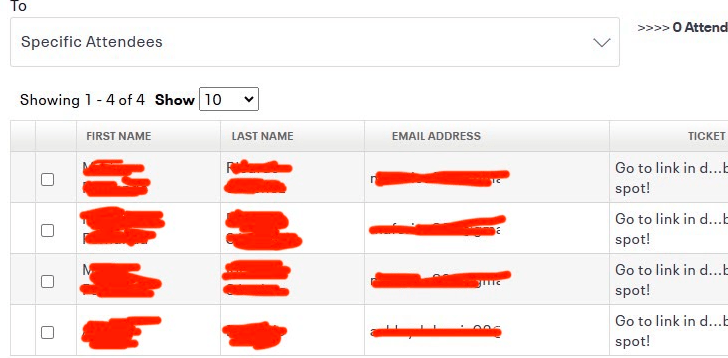
We generated 4 sign-ups — worth $8,000 — from that list, using the strategy I presented to her instead of just writing and guesswork.
She was my first client. The first person to trust me with something real. And that launch was the first time I proved to myself— not just to her— that this actually works.
I've always liked solving problems.
I just found out business and marketing problems are the ones I enjoy solving most.
She said thank you.
The numbers said it worked.
From figuring it out...
TO HELPING YOU FIGURE IT OUT TOO.
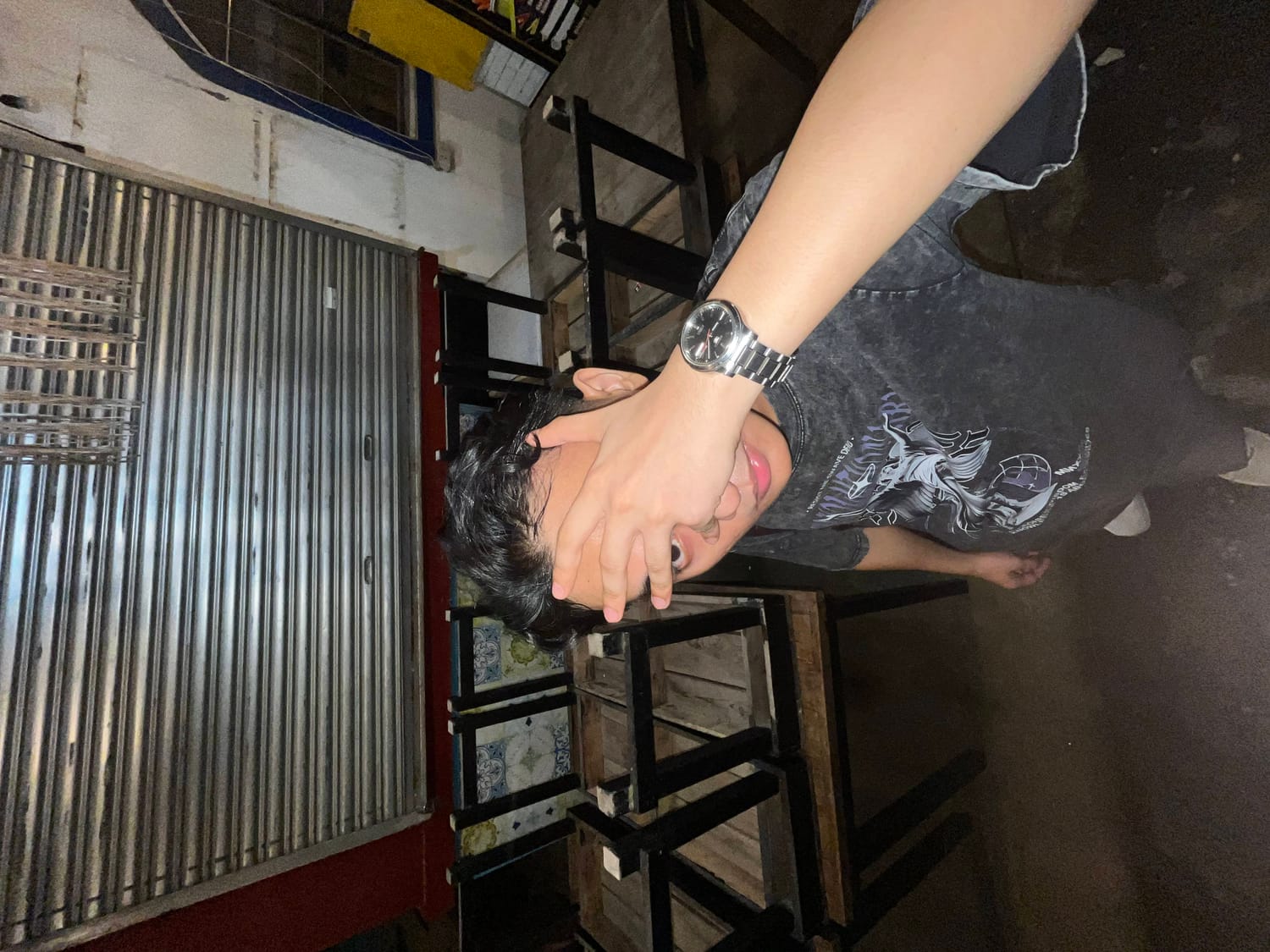
TODAY, I HELP COACHES AND COURSE CREATORS TURN MORE SUBSCRIBERS INTO BUYERS.
I plan, write, and optimize strategic email campaigns— from launch sequences to always-on automated flows— built the same way I built that first one...
Research & strategy first, copy second.
Because what I believe is this...
A list isn't an asset until it's converting.
My job is to make sure yours does.
WHAT IT'S LIKE TO WORK TOGETHER
From subscriber to buyer
— here's how we make it happen
01
DISCOVERY CALL
We break down your current situation, audience, offer, goals, and what’s actually stopping your launches from converting.
02
BUILD STRATEGY
We create an email marketing strategy based on your audience, offer, and launch goals.
03
DONE-FOR-YOU
I write and build your email campaigns— from launch sequences to automated emails— so every email has a clear job.
04
LAUNCH & OPTIMIZE
We launch your campaign, track performance, and refine what’s needed to maximize conversions.